Free videos with practical guides for posting companies
The POW-BRIDGE team produced video podcasts in the form of practical guides for posting companies in the eight project countries.

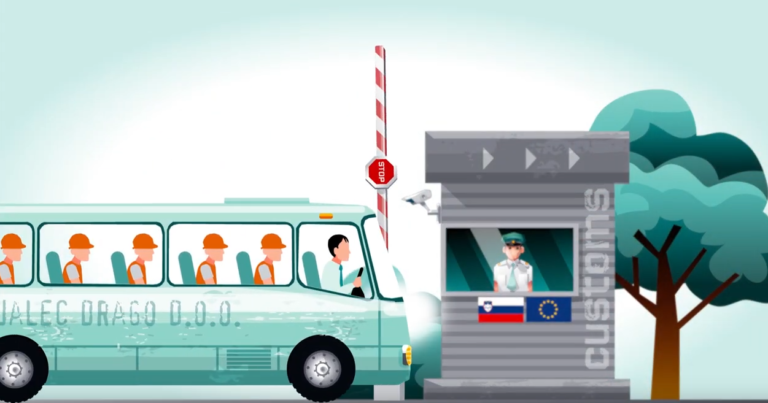
The POW-BRIDGE team produced video podcasts in the form of practical guides for posting companies in the eight project countries.

The inaugural BBinar (Bridge-Building Webinar) took place on 30 November 2021 and focused on social spending in times of Covid-19 in the Western Balkan region. Members of the Eastern European Social Policy Network (EESPN), European Centre colleagues, and a wider audience participate in these BBinars in order to exchange at a practical level about common…
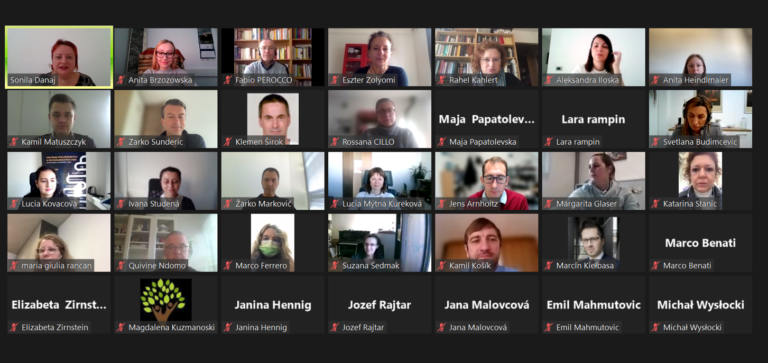
The POW-BRIDGE consortium invites to attend the project’s Final Conference, taking place on 9th November on ZOOM.

The POW-BRIDGE consortium is pleased to invite you to attend the project’s Final Conference.
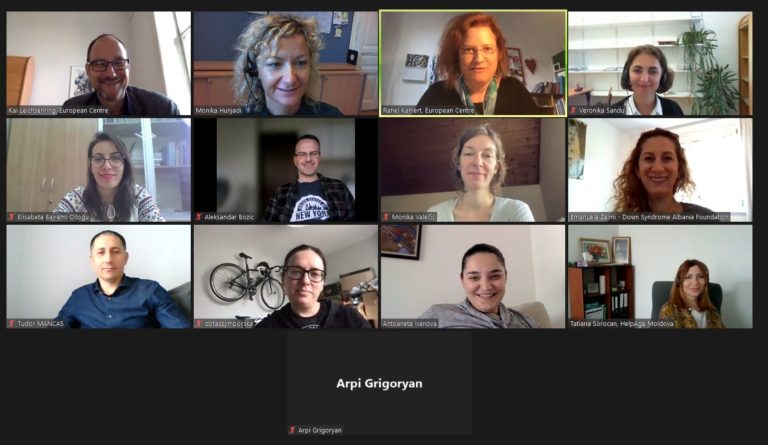
The European Centre hosted with great success the second virtual 2021 BB Summer School on Evaluation in Social Policies, on 22-24 September 2021. 11 participants from the ‘Bridge building’ region, specifically Albania, Azerbaijan, Armenia, Bosnia and Herzegovina, Kosovo, Moldova, North Macedonia, as well as Ukraine, and European Centre staff exchanged and enhanced knowledge in commissioning…
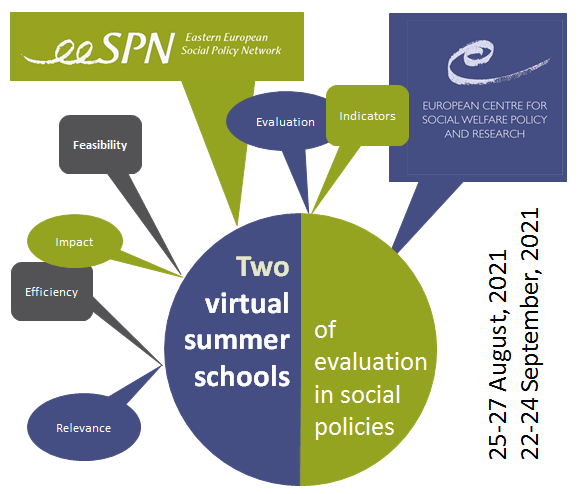
The European Centre hosted with great success the first virtual 2021 Summer School on Evaluation in Social Policies in August 2023.
The European Centre is currently updating the six reviews of the Western Balkan countries regarding the European Pillar of Social Rights (EPSR).

The Second Mutual Learning Lab (MLL2) of the POW-BRIDGE project took place on 26 May 2021. The aim of MLL2 was to follow up on the results from the first Mutual Learning Lab (MLL1) and to identify and discuss solutions addressing main challenges in the implementation practice of the posting of workers rules in 8…

In the frame of the POW-BRIDGE, we have conducted eight case studies and published eight country reports on Austria, Hungary, Italy, North Macedonia, Poland, Serbia, Slovakia, and Slovenia. The country reports present how the Posting of Workers Directive interplay with national rules and regulations on social security, health insurance, temporary agency work, and company law….