We focus on Social Welfare Policy in the Bridge Building Region
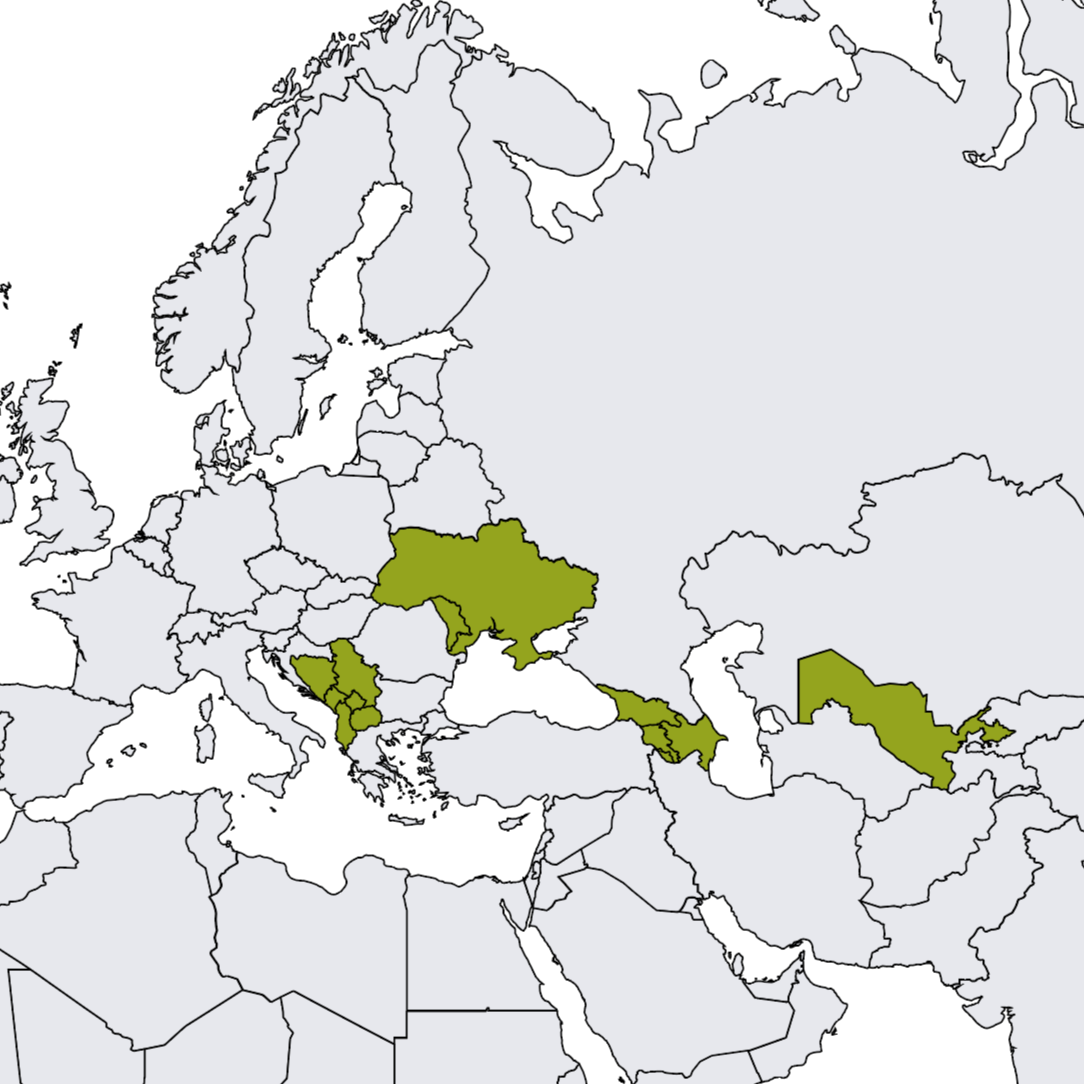
The Eastern European Social Policy Network (EESPN) brings together public authorities, research institutions, and providers of services and facilities in social welfare policy focussing on the Bridge Building (BB) countries of:
What is new on the EESPN?
Get the latest news on the BB region. Find the latest activities, events, and publications below.

-
Newsletter 09/2026
In this edition of the EESPN Newsletter, we are pleased to present a new EESPN Spotlight feature with Nermin Oruc, focusing on how evidence can be translated into meaningful policy change in Bosnia and Herzegovina. You will also find information on the public consultation on the new MIPAA/Regional Implementation Strategy, as well as an invitation…
-
Public Consultation: The new MIPAA/Regional Implementation Strategy
We are pleased to invite you to participate in the public consultation on the zero draft of the new Regional Implementation Strategy (RIS) of the Madrid International Plan of Action on Ageing (MIPAA). The new RIS is scheduled for adoption in September 2027 at the UNECE Ministerial Conference on Ageing. The RIS provides the regional…
-
Upcoming International Seminar: Assessing the French Tax-Benefit System in Italy
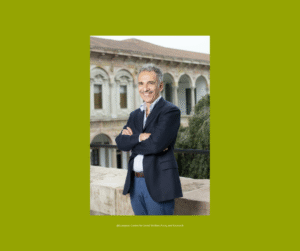
The European Centre is pleased to welcome Professor Carlo V. Fiorio of the University of Milan for an upcoming International Seminar on “Assessing the French Tax-Benefit System in Italy: A EUROMOD-Based ‘System Swap’.” Drawing on joint research with Francesco Figari, Sonia Marzadro and Giovanna Scarchilli, Professor Fiorio will explore how the French tax-benefit system would…

This month’s Highlight
We highlight our latest activities in the BB countries.
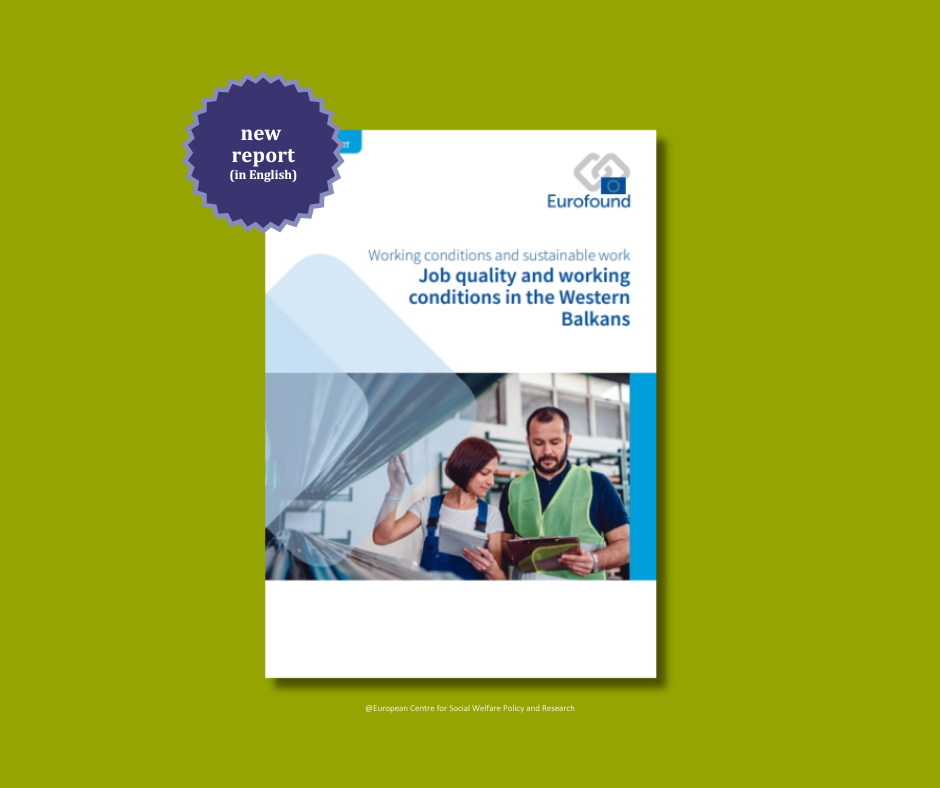
Report: Job Quality and Working Conditions in the Western Balkans
This Eurofound research report documents working conditions and job quality in the Western Balkans based on the European Working Conditions Telephone Survey data collected in 2021. It brings new regional insights to the analysis of European working conditions and strives to raise awareness of the topic and broaden the perspectives of policymakers, social partners, researchers and the wider public in the region.