InCARE project launched
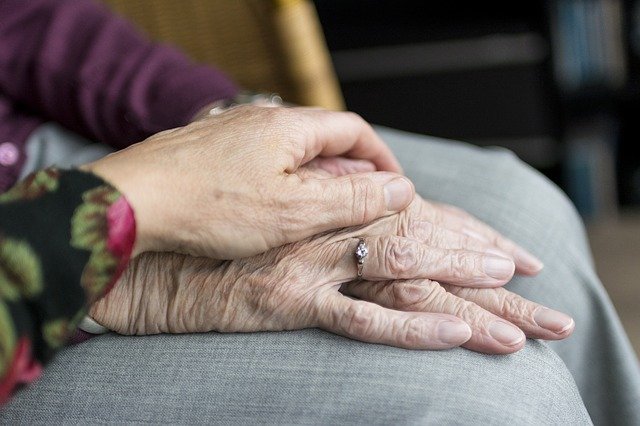
InCARE aims to develop a coherent and coordinated approach to the development of LTC policy and care services at local and regional level.

InCARE aims to develop a coherent and coordinated approach to the development of LTC policy and care services at local and regional level.
Book chapter: Labour Mobility & OSH Vulnerability of Posted Workers by Danaj et al. In this chapter, S. Danaj, K. Hollan, and A. Scoppetta focus on the occupational safety and health (OSH) of temporary cross-border labour migrants posted to Austria and the Slovak Republic. Based on empirical interview data with public authorities, social partners and…
Policy Brief: Here, not to stay! The posting of third country nationals to Austria by Danaj et al. This Policy Brief describes the trend of the posting of third-country workers from Bosnia and Herzegovina via Slovenia to Austria and its drivers. It also discusses why workers from Bosnia and Herzegovina agree to be posted via…

The 46th General Assembly Meeting (GAM) of the European Centre took place fully virtually on 19 & 20 October 2020. It focused on social policy and research in the time of COVID-19 and beyond.

Ukraine adopted the Concept of e-Government Development in 2017, which provides comprehensive development of e-services in accordance with European requirements.
Policy Brief: Tracking Policy Responses to COVID-19: Opportunities, Challenges and Solutions by Daly et al. Governments have responded to the Covid-19 pandemic by adopting a wide range of policy measures with different effects on infection rates and deaths, but also varying socio-economic consequences. The Oxford Supertracker at the Department of Social Policy and Intervention (DSPI)…

Persons with disabilities in the Republic of Serbia are a very sensitive category that is discriminated against in multiple ways and excluded from the main social aspects. The mechanisms of protecting persons with disabilities, securing equal representation and their complete integration are achieved through adequate legislation and criminal laws, and also special protection in big crisis such as pandemic COVID-19.

Up-to date, the Government has introduced 22 socio-economic support programs aimed at addressing the needs and ensuring the proper social protection of the population mostly suffered as a result of the pandemic. These programs, in accordance with the defined criteria, inter alia, include provision of a financial support to families with children.
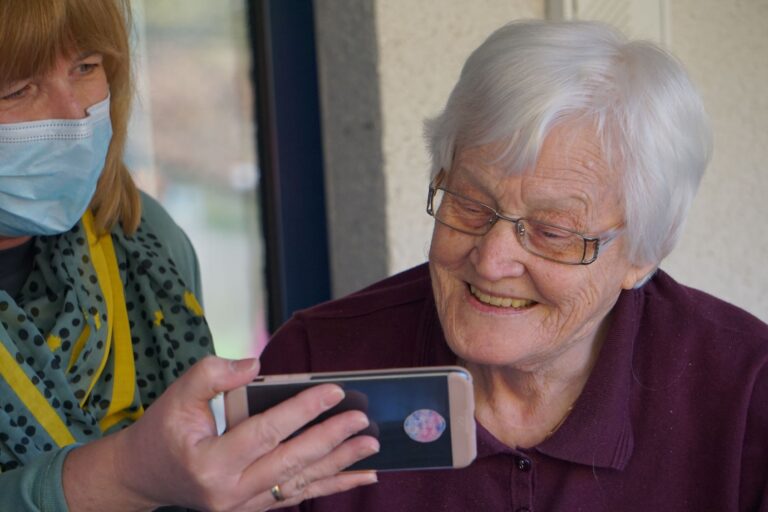
At the beginning of April 2020, when we all have got convinced that the COVID-19 pandemic is likely to disrupt even more the environments in which social service users and social care beneficiaries live, and to have several negative consequences for their well-being and protection, the need for united activities of all social actors became imperative.

Persons with disabilities are among the most affected groups during the COVID-19 pandemic. The EU Agency for Fundamental Rights (FRA) recently reported that the pandemic continues to affect the provision of essential services such as education, healthcare, community-based support and transport for persons with disabilities.